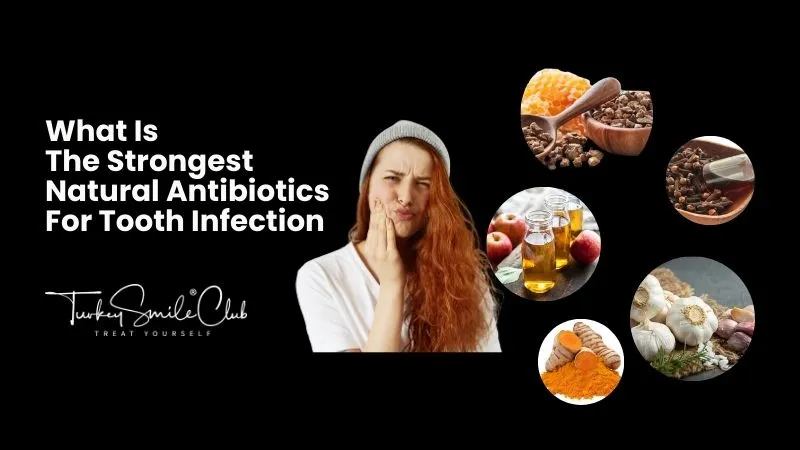
What Is The Strongest Natural Antibiotic For Tooth Infection?
Before we even talk about ‘the strongest’ natural antibiotic, it helps to slow down for a second. Tooth infections are a bit different! They’re not sitting on the surface. They’re usually trapped deep inside the tooth or the gum, which already makes things complicated.
Most people asking this are in pain. They’re hoping there’s something natural that can calm things down, maybe buy them some time. And that makes sense. Some natural substances really do have antibacterial and anti-inflammatory effects. Science has shown that. They can reduce bacterial activity, ease swelling and make things feel more manageable for a while.
But here’s the important part. None of them truly replace dental treatment. Even the strongest natural options don’t drain an abscess or clean out an infected root. They support they don’t cure. And that distinction matters.
So, with that in mind, let’s look at the natural options that research shows are the most powerful for tooth infections and how they realistically help in this article.
What is a natural antibiotic?
A natural antibiotic is basically something that comes from nature and helps the body slow down or fight harmful bacteria. Things like garlic or certain herbs do this. Honestly, they don’t replace real antibiotics when you truly need them, but they can help your immune system do its job better. You can think of them as backup, not magic, just small natural helpers we’ve leaned on for a long time.
What are natural antibiotics for tooth infection?
When people talk about natural antibiotics for a tooth infection they usually mean things that calm bacteria down reduce inflammation and help the mouth heal a bit. Not miracle cures honestly. They are natural and temporary support until proper dental treatment. But don’t forget! Some of these are backed by real studies and that part matters.
Propolis
Propolis is that sticky stuff bees make to protect their hives. Turns out it’s pretty tough on bacteria too. Studies show propolis has antimicrobial and anti-inflammatory effects especially against oral bacteria like Streptococcus mutans which plays a big role in tooth decay and infections. It doesn’t just kill bacteria it also slows their ability to stick to teeth which is important.
Clove oil
Clove oil has been used for tooth pain forever and honestly there is a reason dentists still mention it. The active compound eugenol has antibacterial and pain-relieving properties. Research shows it can inhibit bacteria linked to dental infections while also numbing the area a little which is why people feel relief fast.
Garlic
When crushed it releases allicin which has proven antibacterial effects. Lab studies show garlic can act against several oral pathogens including those involved in abscesses and gum infections. It doesn’t rebuild a damaged tooth obviously but it can reduce bacterial load for a short time.
Turmeric
Turmeric is more about inflammation control than instant bacterial killing but that still matters with tooth infections. Curcumin the active compound reduces swelling and inhibits growth of certain oral bacteria. Some studies even compare curcumin gels to standard chlorhexidine mouthwashes for gum health.
Apple cider vinegar
Apple cider vinegar is a tricky one. It has antibacterial properties due to its acidity and some lab studies show it can reduce bacterial counts. But honestly this needs caution. The same acid that affects bacteria can damage enamel if used incorrectly. It’s more about short contact diluted use not swishing aggressively.
Saltwater rinse
This one sounds too simple but it works in a basic biological way. Saltwater creates an environment where many bacteria struggle to survive and it helps reduce swelling and draw out fluid from infected tissues. It doesn’t kill everything but it supports healing and keeps the area cleaner. Dentists still recommend it after procedures for a reason.
One last honest note. These can help calm things down ease pain slow bacteria for a bit. But a tooth infection usually means something deeper is going on. If pain swelling or fever sticks around a dentist is not optional. Natural support is exactly that support
How can I relieve the pain of an abscessed tooth?
The very first thing, honestly, is what a dentist would tell you right away. An abscess means there’s an infection trapped in there and pain is your body waving a red flag. So yes, pain relief comes first, but treatment matters more.
From a doctor’s point of view, the safest early step is usually a simple painkiller like ibuprofen if you can take it. It helps with both pain and inflammation. Avoid putting heat on the area, that can actually make swelling worse. Cold compress on the outside of the cheek is much better, short sessions, nothing extreme.
At home, gentle things help. Rinsing with warm saltwater a few times a day can calm the tissues and keep the area cleaner. Not aggressive swishing, just gentle. Keep the head slightly elevated when lying down, especially at night. It really can reduce that throbbing pressure.
Some people reach for clove oil or similar natural options. They may dull the pain briefly, I guess, but they don’t treat the infection itself. So, use them carefully and only as temporary comfort, not a solution.
And this part is important. Very important. An abscessed tooth does not heal on its own. Even if the pain fades for a while, the infection is still there. It can spread to the jaw, the face, even more serious areas if left untreated. That’s why seeing a dentist is not optional here. Drainage, antibiotics if needed, or proper dental treatment is what actually fixes the problem.
How to get rid of tooth infection
You don’t fully get rid of a tooth infection at home. You can calm it down for a bit, maybe ease the pain, but the infection itself needs proper treatment. That usually means a dentist finding the source, draining it if needed and treating the tooth. Sometimes with antibiotics, sometimes with a root canal or extraction. It depends.
When should I visit the dentist?
If tooth pain lasts more than a day, keeps throbbing or wakes you up at night, that’s already your cue. Teeth don’t hurt for no reason!
Swelling, a bad taste in your mouth, pain when biting, or sudden relief after intense pain are all signs you shouldn’t ignore. And if there’s fever or facial swelling, don’t wait at all.
Please contact Turkey Smile Club in Antalya for detailed
We wish you healthy days.